

Buyer's Guide
Choosing the Right PET Preform: Neck Finish, Grammage & Material
A practical buyer's guide to selecting PET preforms — how neck finish, grammage and resin choice affect your bottles, cost and line performance.
17 July 20263 min read
A practical buyer's guide to selecting PET preforms — how neck finish, grammage and resin choice affect your bottles, cost and line performance.
Planning a bulk PET preform order? Understand MOQs, lead times, and the cost factors — resin, grammage, colour, freight — that shape your price and schedule.
Haze, bubbles, crystallinity, short shots and neck defects can ruin bottles. Learn the common PET preform defects, their causes, and how good makers prevent them.
A practical PET preform weight and size chart — match preform grammage to bottle volume for water, CSD, oil and more, with real reference specs.
Quality, consistency, capacity, lead time and location all matter when choosing a PET preform supplier in India. Here's a practical checklist for buyers.
Cosmetic and personal care brands are chasing premium finishes, sustainability and standout shapes in PET. Here are the packaging trends defining the category.
Edible oil packaging has specific needs — the right grammage, neck finish, clarity and barrier. Here's what oil packers should know when specifying PET preforms.
PET is increasingly used for pharma liquids and syrups thanks to clarity, safety, light weight and shatter resistance. Here's why, and what to consider.
What makes PET packaging food-grade in India, how FSSAI packaging regulations apply, and what manufacturers should document. A practical overview, not legal advice.
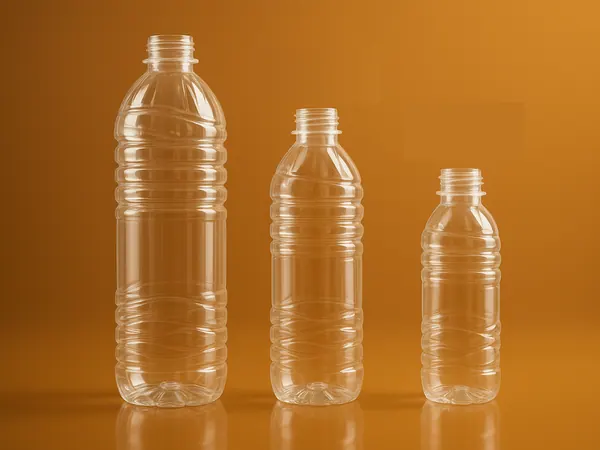
Packaged drinking water has specific preform needs — food-grade PET, the right neck finish and grammage, and BIS compliance. Here's what water plants should know.

Recycled content, lightweighting, design-for-recycling and tethered caps are reshaping beverage packaging in 2026. Here's what brands should plan for.
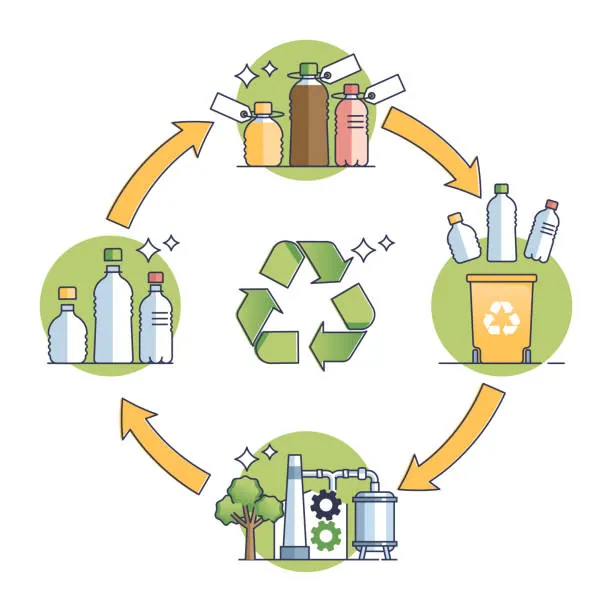
Bottle-to-bottle recycling turns used PET bottles back into new ones. Here's how the closed loop works, what it needs, and why it matters for brands.
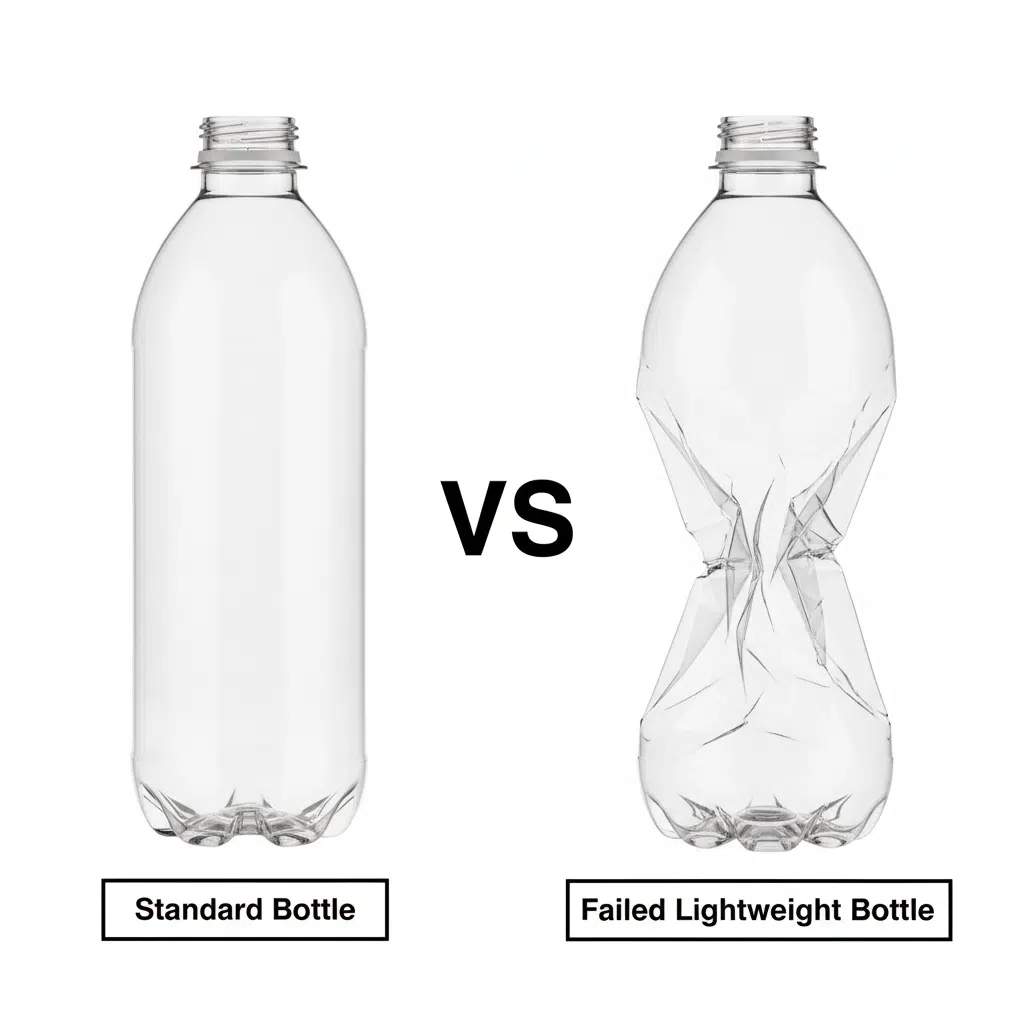
Lightweighting reduces the PET in every bottle to save cost and cut waste. Learn how it works, where the limits are, and how quality is protected.
PET is one of the most recyclable plastics, yet myths persist. We separate fact from fiction on PET recycling, food-grade rPET and what really happens to bottles.
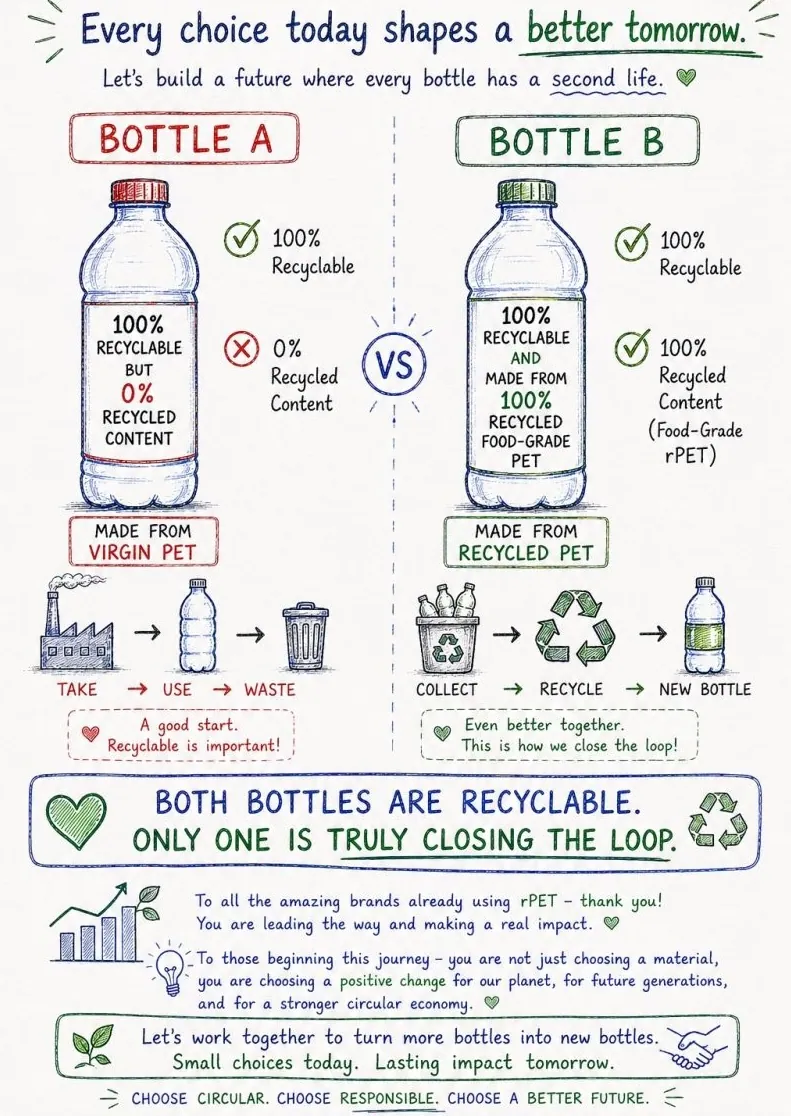
rPET is recycled PET made from used bottles. Learn what it is, why brands are adopting recycled PET preforms, and what to check before you switch.
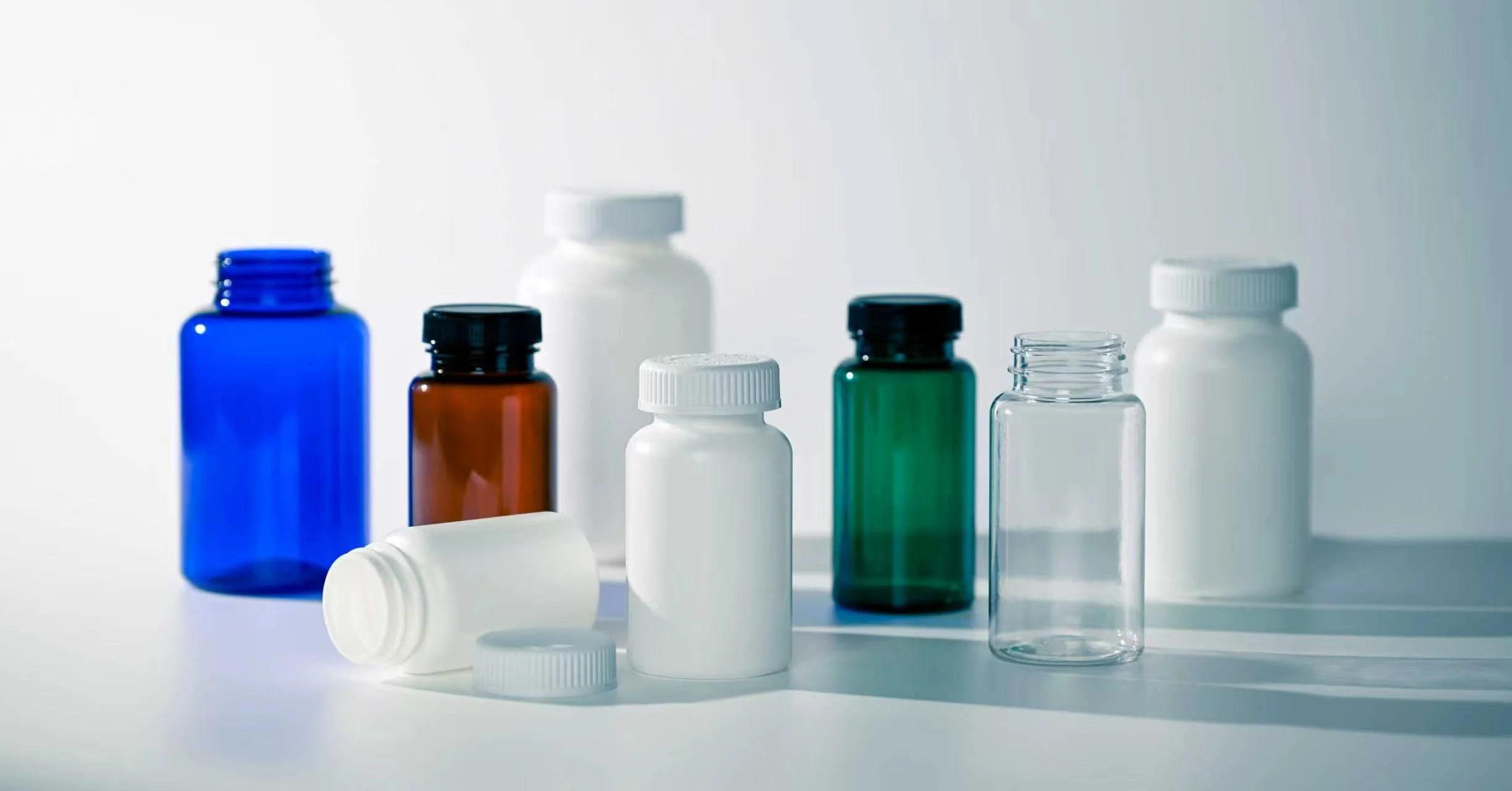
PET, HDPE and glass each suit different products. Compare clarity, cost, weight, barrier, recyclability and use cases to choose the right packaging material.
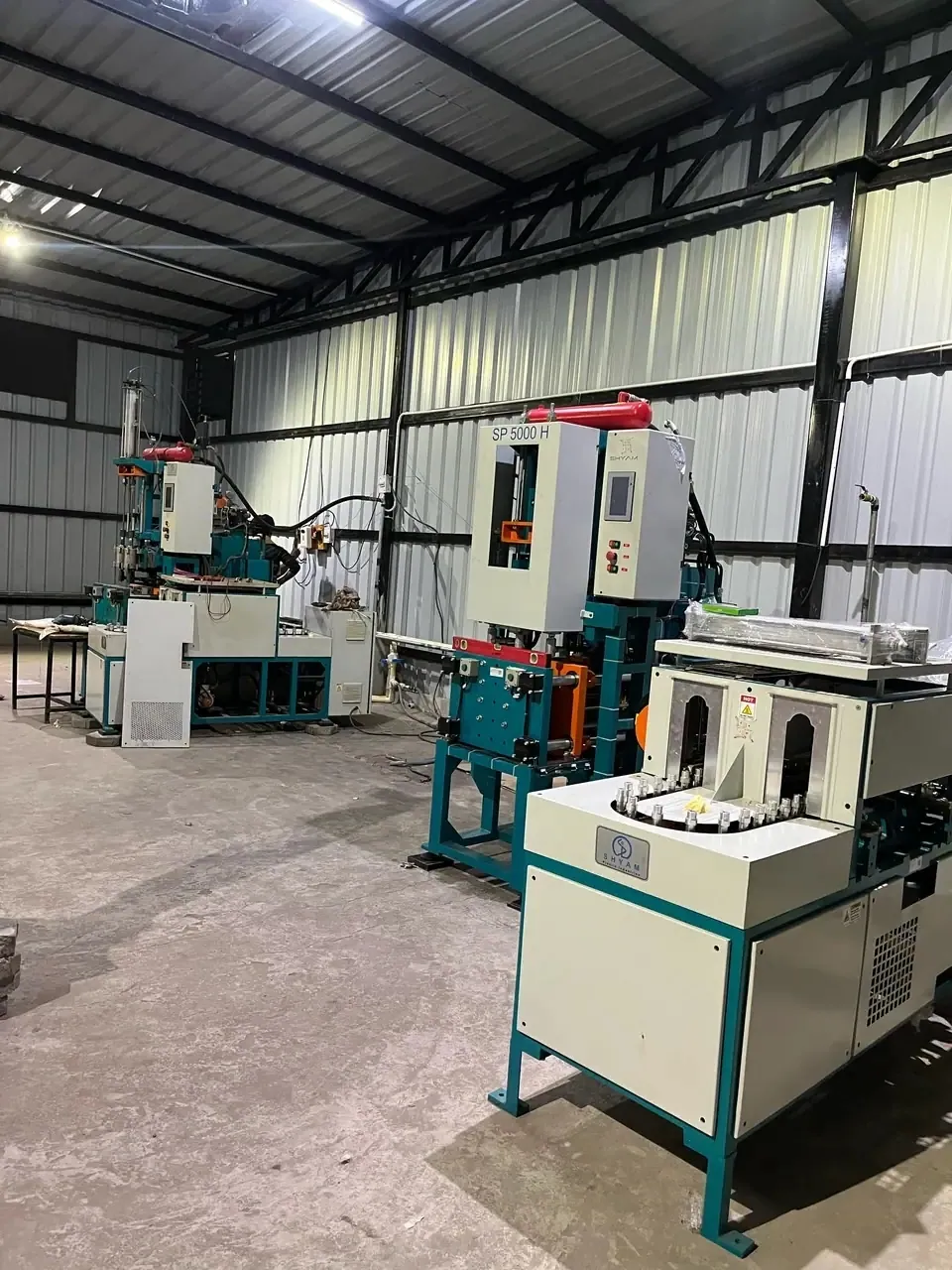
Stretch blow moulding turns a small PET preform into a full bottle using heat, a stretch rod and high-pressure air. Here's how the process works, step by step.
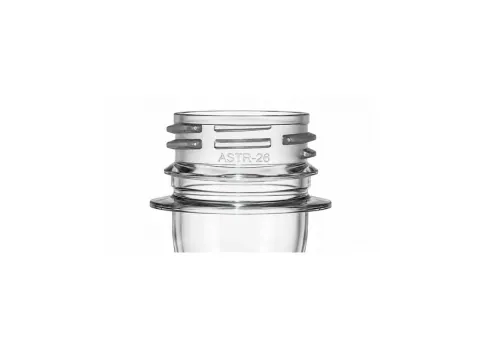
The neck finish decides which cap fits your bottle. Here's a plain-English guide to PCO 1881, PCO 1810, BPF, Alaska 3-Start and 46mm finishes.
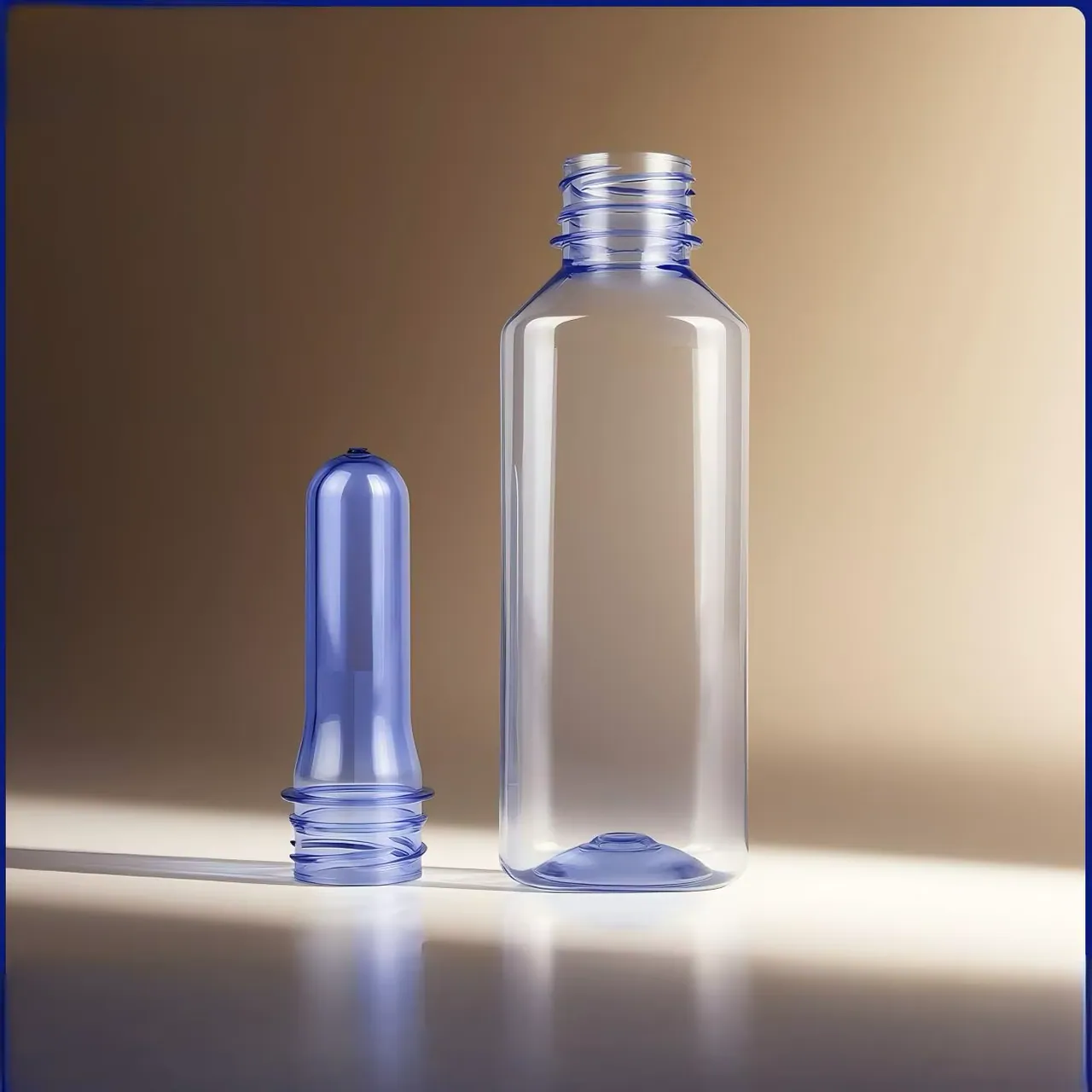
PET preforms and PET bottles are two stages of the same product. Here's the difference, and how to decide whether to buy preforms or finished bottles.
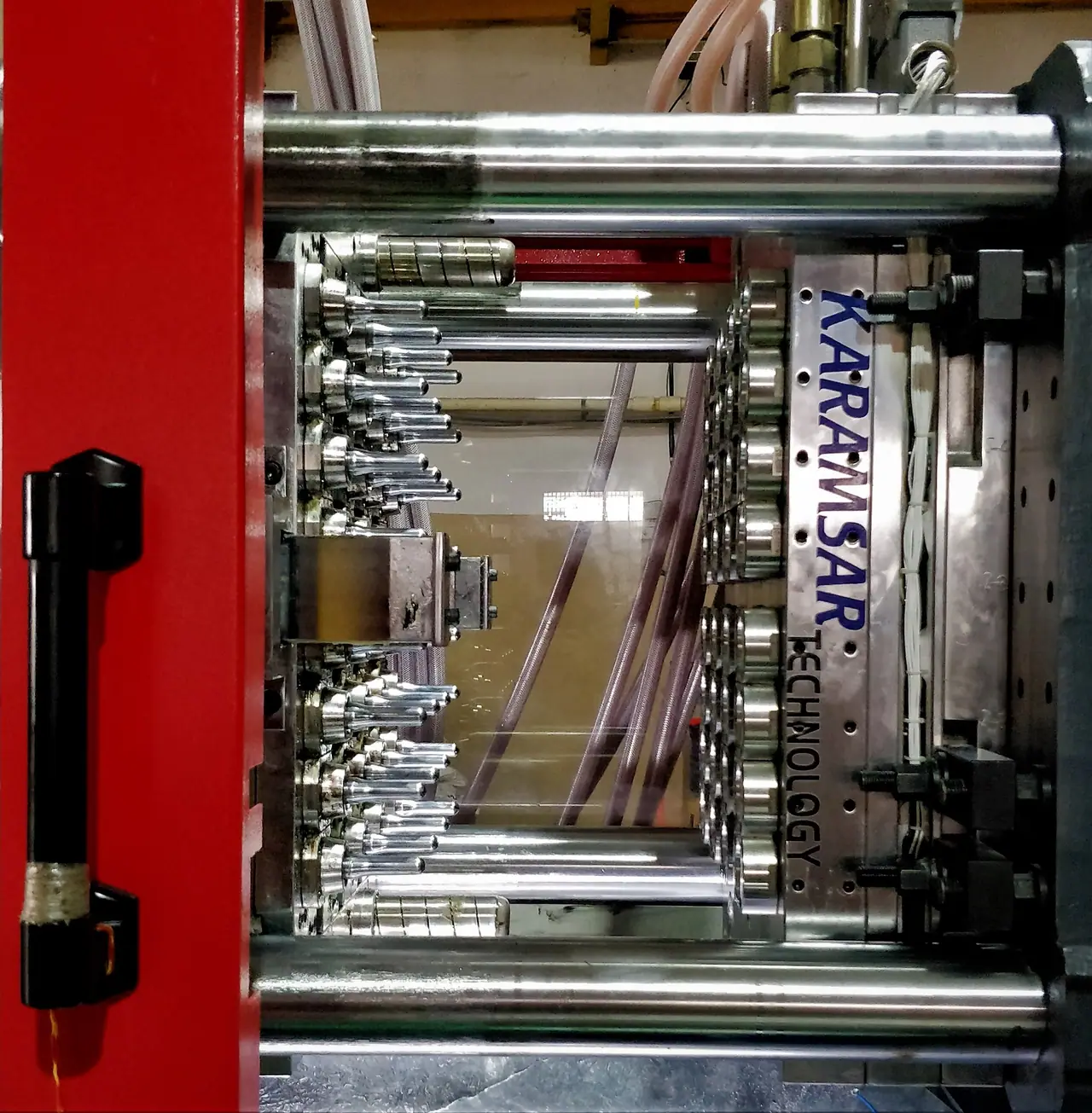
How PET preforms are made — from drying resin to injection moulding, cooling and quality control. A clear, step-by-step look inside preform production.

PET preforms are the test-tube-shaped moulded pieces that become plastic bottles. Here's what they are, how they're specified, and what buyers need to know.