
How Are PET Preforms Turned Into Bottles? (Stretch Blow Molding Explained)
Stretch blow moulding turns a small PET preform into a full bottle using heat, a stretch rod and high-pressure air. Here's how the process works, step by step.
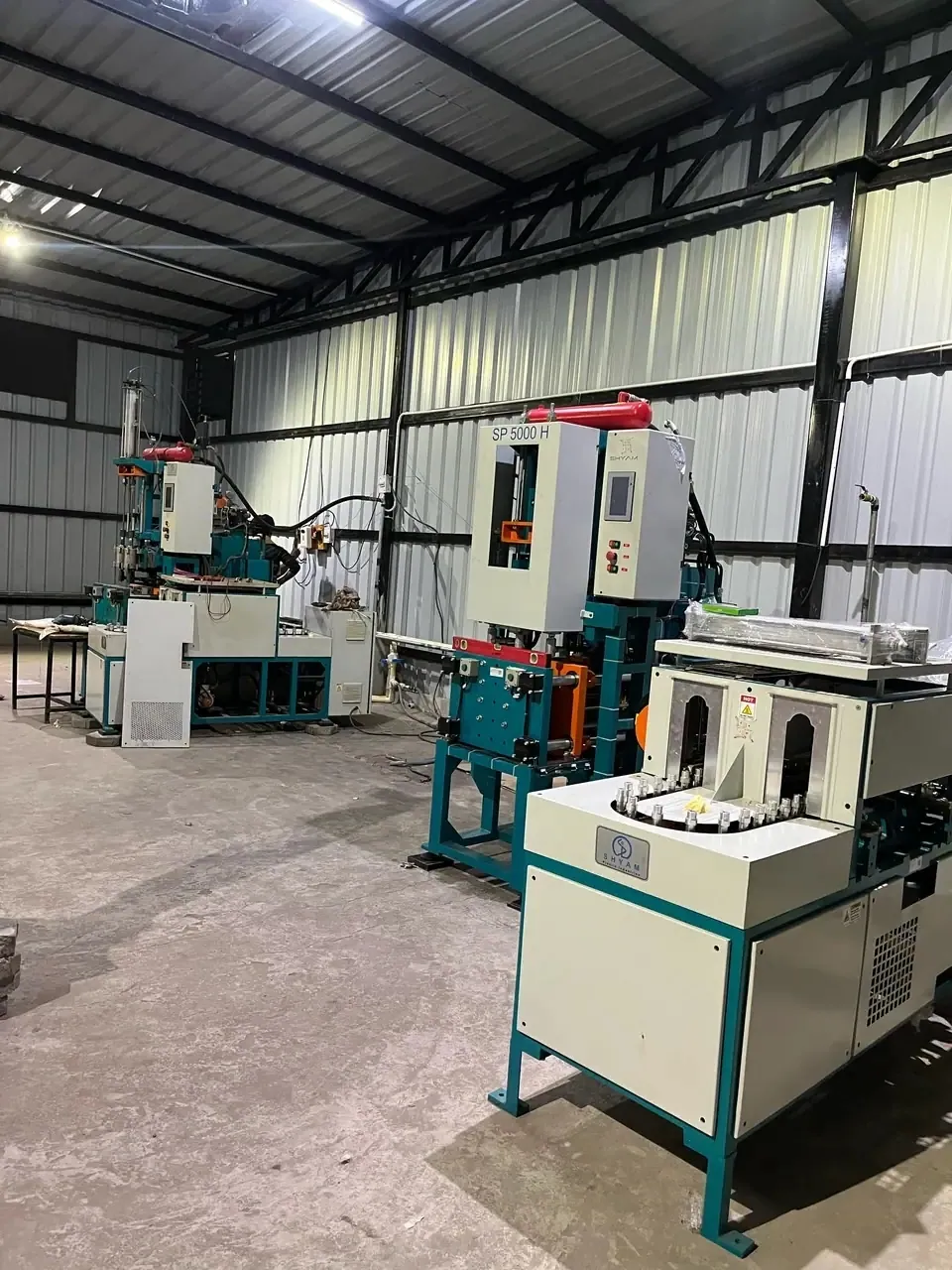
A PET preform is compact and thick. The bottle it becomes is large and thin-walled. The process that bridges the two is stretch blow moulding (SBM) — the step where a preform is heated, stretched and inflated into its final bottle shape.
If you buy preforms and blow your own bottles, this is the process running on your line. Here is how it works and why each stage matters.
The core idea: stretch in two directions
PET has a valuable property: when you stretch it in two directions at the right temperature, its molecules align and the material becomes stronger, clearer and better at holding pressure and gas. This is called biaxial orientation. Stretch blow moulding is designed to achieve exactly this — stretching the preform both lengthwise (with a rod) and outward (with air) at the same time.
That is why a thin PET bottle can hold a carbonated drink under pressure without bursting: the blowing process itself builds the strength in.
Step 1: Heating the preform
The preform passes through an oven of infrared lamps that heat the body to a precise temperature — soft enough to stretch, but not molten. Two things are critical here:
- The neck stays cool. The threaded neck is shielded so it keeps its exact shape and threads. Only the body is heated.
- Even heating. The preform is rotated so heat is uniform all the way around. Uneven heating produces uneven walls in the bottle.
Step 2: Into the mould
The hot preform is transferred into a blow mould — a metal mould machined to the exact shape of the finished bottle. The mould closes around the preform, gripping it by the (still cool, still rigid) neck.
Step 3: Stretch and blow
This is the moment the bottle is born, and it happens in a fraction of a second:
- A stretch rod pushes down inside the preform, stretching it lengthwise to the bottom of the mould. This centres the material and controls wall distribution.
- High-pressure air (often in two stages — a lower pre-blow pressure, then a high final pressure) inflates the softened PET outward until it presses tight against the mould walls, taking on every detail of the bottle shape.
The combination of rod (lengthwise) and air (outward) delivers the biaxial stretch that gives the bottle its strength and clarity.
Step 4: Cooling and release
The bottle is held against the cool mould walls just long enough to set its shape, then the mould opens and the finished bottle is ejected — ready to be filled.
Two types of blow moulding systems
- Single-stage: preforms are injection-moulded and blown into bottles on the same machine in one continuous process. Common for specialty and lower-volume containers.
- Two-stage: preforms are made separately (often by a dedicated preform supplier), stored or shipped, then reheated and blown on a separate machine. This is the dominant model for water and beverage bottling because it separates compact preform production from on-demand blowing. It is also why the preform supply business exists as its own specialty.
What can go wrong (and what it tells you)
Blowing problems often trace back to the preform or the heating:
- Uneven wall thickness — usually uneven preform heating, or wall distribution set wrong on the machine.
- Hazy or pearly bottle — the preform may have been over-stretched or too cold (stress whitening), or the preform itself was already crystalline.
- Weak base or bursting under pressure — insufficient stretch/orientation, or a preform grammage too light for the volume.
- Poor detail definition — blow pressure too low or preform too cold.
Because so many blowing issues start with the preform, consistent, well-made preforms make blowing dramatically easier. That consistency comes from disciplined preform manufacturing.
Why this matters to buyers
Even if you never touch a blowing machine, the takeaway is important: the quality of your bottle is largely decided before blowing, by the preform. Correct grammage, correct resin and no moulding defects are what let the blowing process do its job. A great blowing line cannot rescue a poor preform.
The bottom line
Stretch blow moulding turns a preform into a bottle by heating it, stretching it with a rod and inflating it with air — biaxially orienting the PET to build in strength and clarity. The process is fast and elegant, but it depends on a well-made preform to succeed.
Need preforms that blow cleanly and consistently on your line? See our preform range or get in touch.