
PET Packaging for Pharmaceuticals: Why It's Becoming the Preferred Choice
PET is increasingly used for pharma liquids and syrups thanks to clarity, safety, light weight and shatter resistance. Here's why, and what to consider.
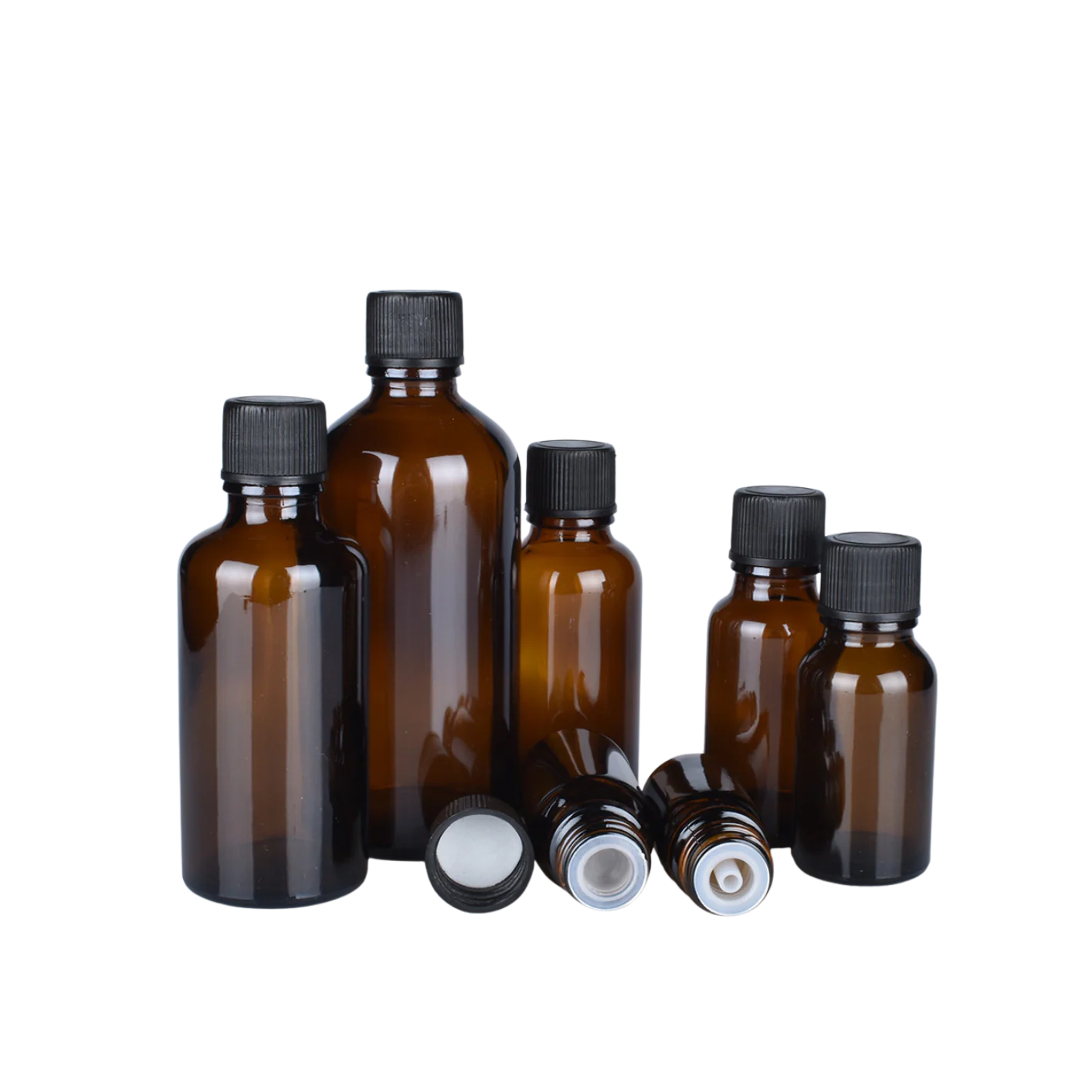
Pharmaceutical packaging has traditionally leaned on glass, but PET has been steadily winning share for many liquid and solid-dose products — syrups, tonics, oral liquids, and more. The reasons are practical: PET offers much of what glass does, without glass's biggest drawbacks. Here is why pharma is increasingly choosing PET, and what to keep in mind.
Why pharma is moving to PET
1. Shatter resistance and safety
Glass breaks. In manufacturing, transport, pharmacies and patients' homes, broken glass is a safety hazard and a source of product loss. PET is shatter-resistant, dramatically reducing breakage risk across the whole chain — a meaningful advantage for products handled by patients, including the elderly and children.
2. Light weight, lower cost to ship
PET is a fraction of the weight of glass. For manufacturers shipping product nationwide, that means lower freight cost and emissions, and easier handling. Lighter packaging also reduces strain in high-volume distribution.
3. Clarity for inspection
Like glass, PET is crystal clear, letting pharmacists and patients see the product — useful for checking colour, fill level and any particulates in liquids. This visual assurance matters in healthcare.
4. Design flexibility
PET bottles are blown from preforms and can take many shapes and sizes, with tamper-evident and child-resistant closures. This flexibility suits the varied formats pharma needs, from small dropper bottles to larger syrup bottles.
5. Amber and tinted options for light protection
Many pharmaceutical products are light-sensitive. PET can be produced in amber or other tints to protect contents from light — offering the light protection often associated with amber glass, in a lighter, unbreakable format.
What to consider for pharma PET packaging
PET is a strong choice, but pharmaceutical packaging carries higher stakes than most, so a few considerations deserve attention:
- Material quality. Use high-quality, appropriate-grade PET from a supplier who handles it to strict standards. For pharma, material consistency and cleanliness are paramount.
- Regulatory requirements. Pharmaceutical packaging is subject to its own regulatory framework, which is distinct from and often stricter than general food packaging. Confirm the requirements that apply to your product and market with the relevant authorities — this is specialised and evolving.
- Closure integrity. Tamper-evidence and, where required, child-resistance are essential. Match your closures to the product and regulations.
- Barrier needs. Some formulations need protection from oxygen or moisture; assess whether standard PET, a tinted grade, or additional barrier measures are needed for your shelf-life target.
- Compatibility. Confirm the packaging is compatible with your specific formulation, since pharmaceutical products vary widely.
PET vs glass for pharma, at a glance
| PET | Glass | |
|---|---|---|
| Breakage risk | Low (shatter-resistant) | High |
| Weight / freight | Light / low | Heavy / high |
| Clarity | Crystal clear | Crystal clear |
| Light protection | Via amber/tint | Via amber glass |
| Patient safety | Higher (won't shatter) | Lower (breakable) |
For a broader material view, see our PET vs HDPE vs glass comparison.
Where PET fits best in pharma
PET is an especially strong fit for:
- Oral liquids and syrups — clarity and shatter resistance in the hands of patients.
- Tonics and nutraceuticals — attractive, safe, cost-effective packaging.
- Larger-volume liquids — where glass weight becomes a real burden.
Highly specialised parenteral or sterile products have their own stringent packaging requirements that fall outside the scope of general PET bottles.
The bottom line
PET is increasingly the preferred choice for many pharmaceutical liquids because it delivers glass-like clarity and light protection (in amber/tinted grades) while being lightweight and shatter-resistant — safer for patients and cheaper to ship. The essentials are quality material, the right closures, and confirming the regulatory requirements specific to pharmaceutical packaging in your market.
Exploring PET for a pharma product? Talk to our team about your requirement, or see our preform and bottle ranges.
This article is general information. Pharmaceutical packaging is subject to specific regulatory requirements; confirm these with the relevant authorities for your product and market.