
PET vs HDPE vs Glass Packaging: Which Is Right for Your Product?
PET, HDPE and glass each suit different products. Compare clarity, cost, weight, barrier, recyclability and use cases to choose the right packaging material.
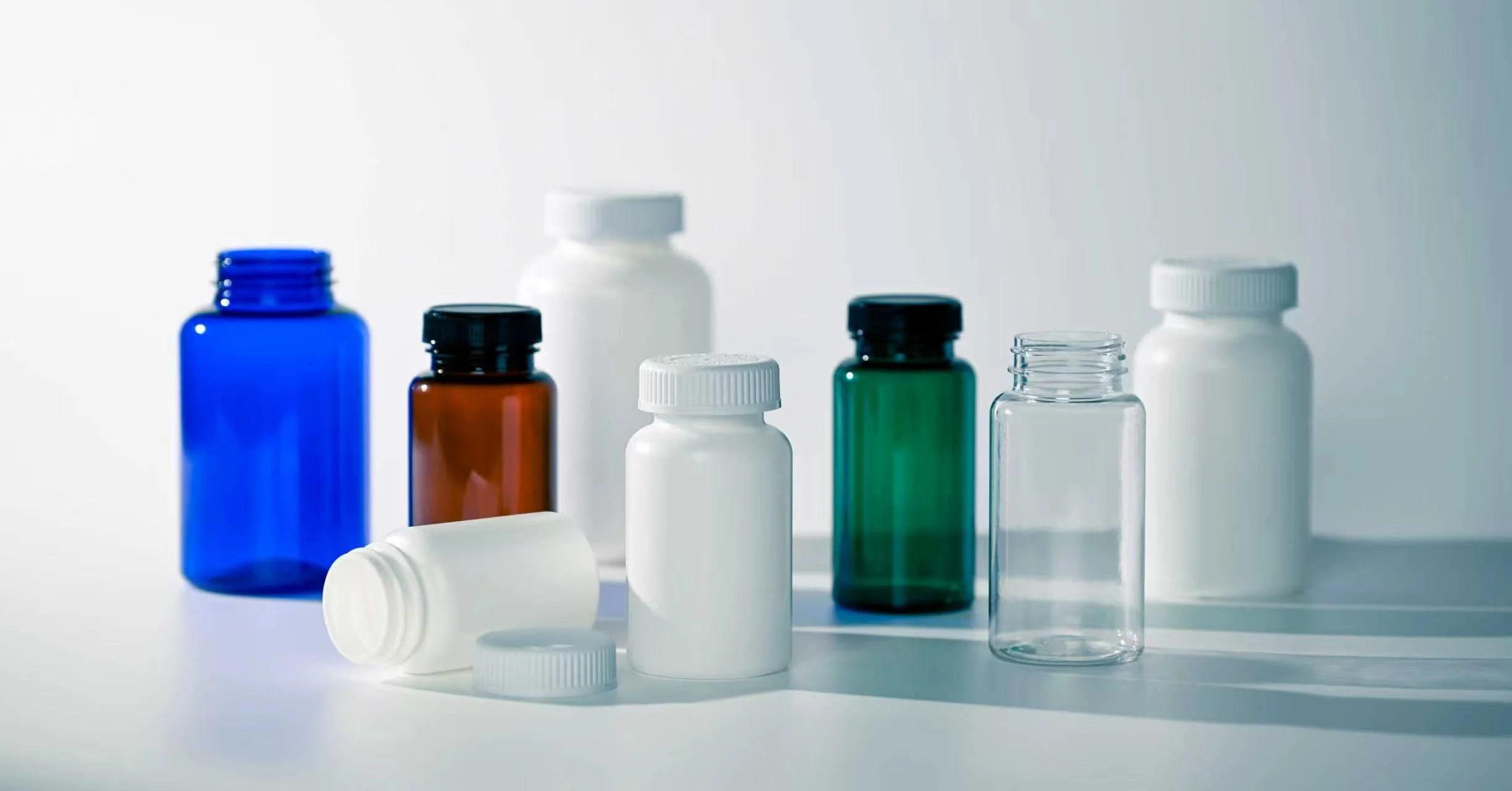
Choosing a packaging material is one of the first decisions a product owner makes, and it shapes everything after it — cost, shelf appeal, shipping, shelf life and sustainability. The three most common choices for liquids are PET, HDPE and glass. Each is genuinely better for certain products. This guide compares them so you can match the material to what you are actually selling.
Quick comparison
| PET | HDPE | Glass | |
|---|---|---|---|
| Clarity | Crystal clear | Opaque / translucent | Crystal clear |
| Weight | Light | Light | Heavy |
| Shatterproof | Yes | Yes | No (breakable) |
| Cost | Low | Low | Higher |
| Barrier (gas) | Good | Moderate | Excellent |
| Best for | Water, CSD, juice, oil | Milk, chemicals, detergents | Premium, hot-fill, long shelf life |
| Recyclability | Excellent (widely recycled) | Good | Excellent but heavy to transport |
PET (polyethylene terephthalate)
PET is the default for most beverages and many liquids, and for good reason.
Strengths:
- Crystal clarity — showcases the product, ideal for water, soft drinks and juice where shoppers want to see the contents.
- Lightweight and shatterproof — safer and far cheaper to ship than glass.
- Good gas barrier — holds carbonation well, which is why nearly all CSD bottles are PET.
- Highly recyclable — PET is one of the most widely collected and recycled plastics, and can even be recycled bottle-to-bottle. See is PET recyclable.
- Versatile — blown from preforms into countless shapes and sizes, from 200 ml water bottles to 5-litre jars.
Best for: packaged drinking water, carbonated soft drinks, juices, edible oil, phenyl and cleaning products, and many food products. Explore our PET bottle range.
Consider alternatives when: you need to fill very hot (standard PET softens with heat, though special hot-fill or heat-set grades exist), or you need an extremely high oxygen barrier for very long shelf life.
HDPE (high-density polyethylene)
HDPE is the workhorse for products that do not need to be seen through the bottle.
Strengths:
- Opaque by nature — blocks light, which protects light-sensitive contents like milk and some chemicals.
- Excellent chemical resistance — well suited to detergents, cleaning chemicals, and certain agro and industrial products.
- Lightweight and rugged — tough and impact-resistant.
- Food-safe grades available for products like milk and edible items.
Best for: milk and dairy, household chemicals, detergents, lubricants, agrochemicals, and light-sensitive liquids. HDPE is also the standard for many caps and closures — see our HDPE caps range.
Consider alternatives when: you need clarity to display the product, or a strong gas barrier for carbonation.
Glass
Glass remains the premium choice where image and inertness matter most.
Strengths:
- Premium perception — a heavier glass bottle signals quality, valuable for spirits, premium sauces, cosmetics and specialty foods.
- Completely inert — does not interact with contents at all, preserving flavour and aroma; excellent for long shelf life.
- Excellent barrier and withstands high-temperature (hot-fill) filling.
Weaknesses:
- Heavy and breakable — much higher shipping cost and breakage risk.
- Higher unit cost and a larger carbon footprint from transport weight.
Best for: premium spirits and beverages, specialty foods and sauces, high-end cosmetics, and products needing very long shelf life or hot filling.
How to decide
Work through these questions:
- Does the customer need to see the product? Yes → PET or glass. No → HDPE is an option.
- Is it carbonated? Yes → PET (or glass). HDPE is a poor fit for carbonation.
- Is it light-sensitive? Yes → HDPE (opaque) or amber-tinted PET.
- How far does it ship, and how price-sensitive is it? Long distance / price-sensitive → PET or HDPE (light) over glass (heavy).
- Does image justify extra cost and weight? Yes → glass. Otherwise → PET.
The bottom line
There is no single "best" material — there is the right material for your product. PET wins for clear, lightweight, recyclable, cost-effective packaging of beverages and many liquids; HDPE for opaque, chemically robust products; and glass for premium, inert, long-shelf-life applications.
For most beverage and liquid products, PET offers the best balance of clarity, cost, weight and recyclability. If that sounds like your product, explore our PET preforms and bottles, or tell us what you're packaging and we'll help you spec it.