
Is PET Plastic Recyclable? Debunking Common Myths
PET is one of the most recyclable plastics, yet myths persist. We separate fact from fiction on PET recycling, food-grade rPET and what really happens to bottles.
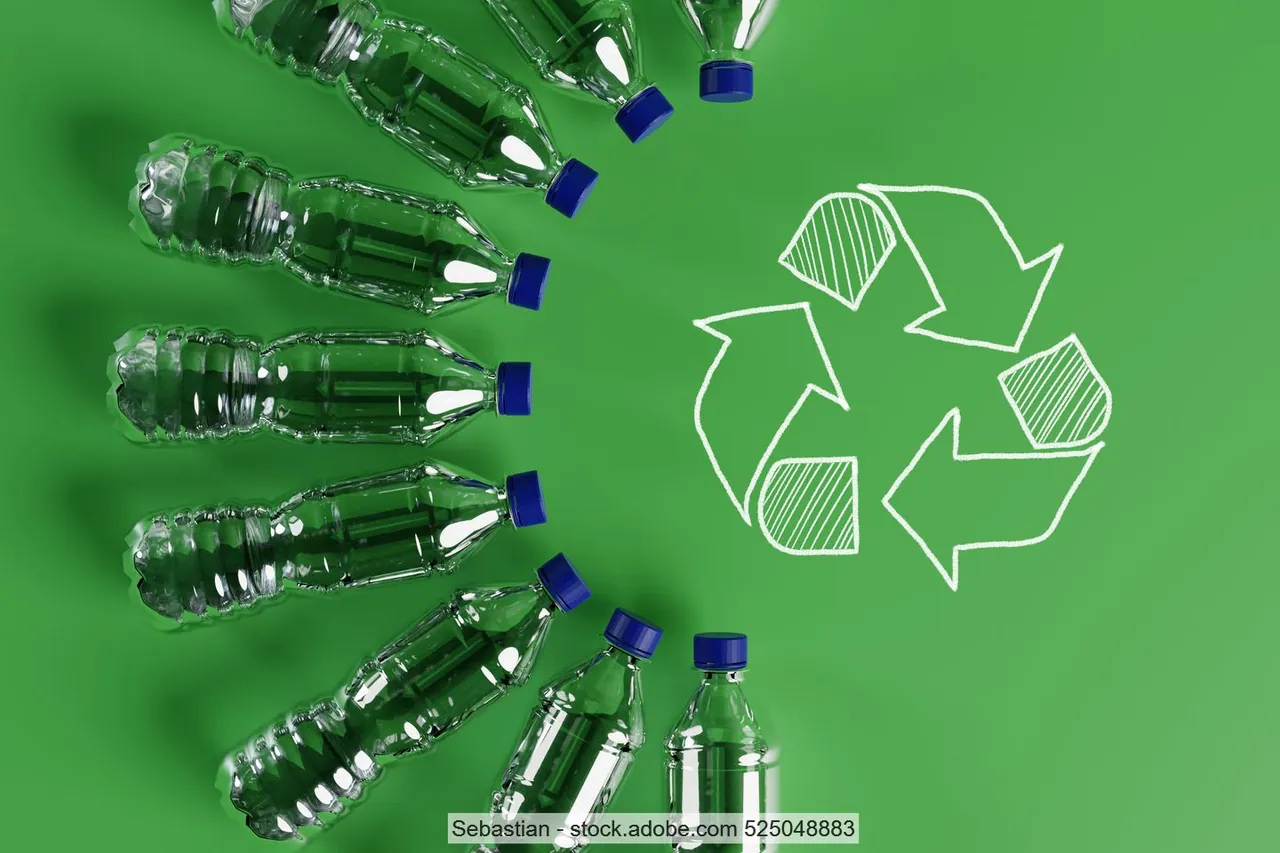
PET is one of the most recyclable plastics in the world — the resin code "1" inside the recycling triangle on your water bottle — yet it is surrounded by persistent myths. Some come from confusion with other plastics; some from outdated information. Let's clear up the most common ones.
Myth 1: "All plastics are basically the same, and none really get recycled."
Fact: Plastics are not interchangeable, and PET is a standout. PET (#1) is collected and recycled at high rates compared with most other plastics, precisely because it is easy to identify, clean and reprocess. Lumping PET together with harder-to-recycle plastics understates how genuinely recyclable it is.
The reason PET recycles so well: it can be melted and reformed without losing its essential properties, and it can even be cleaned to food-grade standards for reuse in new bottles.
Myth 2: "A recycled bottle can't become a new bottle."
Fact: It can — this is called bottle-to-bottle recycling. Used PET bottles can be collected, super-cleaned and reprocessed into food-grade rPET that goes straight back into new preforms and bottles. A bottle you drink from today can genuinely be a bottle again. This closed loop is one of PET's biggest sustainability advantages.
Myth 3: "PET can only be recycled once."
Fact: PET can be recycled multiple times. While each mechanical recycling pass can slightly affect the polymer, processes are designed to manage this — for example by blending recycled with virgin material, or by using advanced recycling to restore quality. PET is far from a one-and-done material.
Myth 4: "The recycling symbol means it will definitely be recycled."
Fact: The resin code #1 tells you the material is PET and is recyclable — it does not guarantee any individual bottle gets recycled. Whether it actually is depends on collection systems and consumer behaviour, not the material. This is an important distinction: PET's recyclability is real, but realising it needs bottles to be collected rather than littered. The material does its part; the system and the consumer have to do theirs.
Myth 5: "Coloured or labelled bottles ruin recycling."
Fact: It is more nuanced. Clear PET is the most valuable to recyclers because it can be turned into the widest range of new products, including clear bottles. Heavily coloured PET is still recyclable but has fewer end uses. Labels and caps are handled during sorting and washing. Designing for recyclability — favouring clear or lightly tinted PET and compatible labels — makes recycling easier and the recovered material more valuable. This is why packaging designers increasingly "design for recycling."
Myth 6: "Lightweighting bottles is just cost-cutting that hurts recycling."
Fact: Lightweighting — using less PET per bottle — reduces the plastic that has to be produced and later recycled in the first place, which is a genuine environmental win. Done properly, it does not compromise the bottle's function or its recyclability. Less material used is less material to manage.
Myth 7: "Plastic bottles are always worse than glass or cans."
Fact: It depends on the full life cycle, not just the material. PET's light weight means far lower transport emissions than heavy glass, and its recyclability keeps material in use. Every material has trade-offs — see our PET vs HDPE vs glass comparison. PET is often the more sustainable choice once shipping weight and recyclability are counted, not the automatic villain it is sometimes made out to be.
What actually helps
If you want PET packaging to live up to its recyclable reputation:
- Design for recyclability — prefer clear or lightly tinted PET and recycling-compatible labels and closures.
- Use recycled content — specifying rPET creates demand that funds collection.
- Support collection — recycling only works when bottles are collected; encourage return and proper disposal.
The bottom line
PET is genuinely one of the most recyclable plastics, and can go from bottle back to bottle. The real limits are not the material — they are collection and consumer behaviour. Understanding that distinction lets brands make honest, effective sustainability choices rather than acting on myths.
Want packaging designed with recyclability and recycled content in mind? Talk to our team or explore our PET preforms and bottles.