
PET Preform Weight and Size Chart: Choosing the Right Preform for Your Bottle
A practical PET preform weight and size chart — match preform grammage to bottle volume for water, CSD, oil and more, with real reference specs.
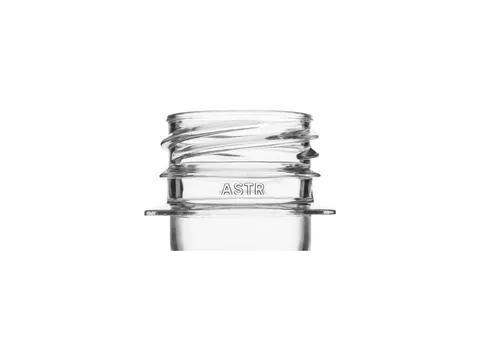
One of the most common questions buyers ask is deceptively simple: "What weight preform do I need for my bottle?" The answer drives bottle strength, material cost and line performance. This guide gives you a practical weight-and-size reference and explains how to use it.
Why preform weight matters
The grammage (weight in grams) of a preform is how much PET is available to form the bottle. It is the single biggest lever on both cost and performance:
- Too light — thin, unstable walls; the bottle may collapse, dent or fail drop and top-load tests.
- Too heavy — a strong bottle, but you are paying for resin you don't need, raising cost per unit.
The goal is the right weight: enough material for a stable, well-performing bottle, and no more. This is also the heart of lightweighting.
The reference chart
The table below maps typical bottle volumes to preform weights, based on our actual preform range. Use it as a starting point, not a final answer — your exact weight depends on your fill type, pressure, design and drop-test targets.
| Bottle volume | Typical preform weight | Common neck finish | Typical use |
|---|---|---|---|
| 200–250 ml | ~8.45–10 g | 28mm 3-Start / PCO 1881 | Water, small drinks |
| 500 ml | ~11.6–12.6 g | 28mm 3-Start | Water, cold drinks |
| 200–600 ml (CSD/juice) | ~10–19.6 g | PCO 1881 | Juice, CSD, water |
| 1 litre | ~17–21 g | 28mm 3-Start | Water, juice |
| 1–1.2 litre (CSD/phenyl) | ~21.5–24.5 g | PCO 1810 | Juice, CSD, phenyl |
| 1–2 litre | ~25–34 g | 28mm 3-Start / PCO 1810 | Water, oil, phenyl |
| up to 5 litre | ~74–80 g | 46mm 3-Start | Jars, bulk oil, phenyl |
How to read it
Notice a few things:
- The same volume can have a range of weights. A 1-litre water bottle might use 17 g, 18 g, 19.5 g or 21 g depending on how robust it needs to be and how much you are lightweighting. Closely spaced options let you fine-tune.
- The neck finish is tied to the application, not just the size. CSD uses PCO finishes; still water often uses Alaska 3-Start. See our neck finishes guide.
- Heavier products and bigger sizes need more material. Oil and bulk jars use the heaviest preforms because they must be stable and stackable.
The factors that move the number
Your ideal weight shifts based on:
- Product type. Carbonated drinks need bottles that resist internal pressure; still water is more forgiving. Oil and bulk products need stacking strength.
- Bottle design. Good geometry (ribs, flutes, base design) adds strength through shape, sometimes allowing a lighter preform.
- Top-load and stacking. How high will bottles be stacked in storage and transit? More load means more material.
- Drop-test requirements. A full bottle must survive a fall without splitting.
- Fill and handling conditions. Filling temperature and line handling affect the demands on the bottle.
Getting it exactly right
Because so many factors interact, the reliable path is:
- Start from the chart for a ballpark weight.
- Share your bottle drawing or sample and product type with your supplier.
- Test. Validate the chosen preform against your real filling, capping and drop/top-load conditions before committing to production.
A good supplier will help you converge on the right weight rather than leaving you to guess — see how to choose a supplier.
The bottom line
Matching preform weight to bottle volume is the core of preform selection. Use the chart as a starting point, then refine for your product, design and testing. The right grammage gives you a stable, attractive bottle at the lowest sensible cost.
Want the exact weight for your bottle? Explore our full preform range with specifications, or send us your bottle details and we'll recommend the right preform.